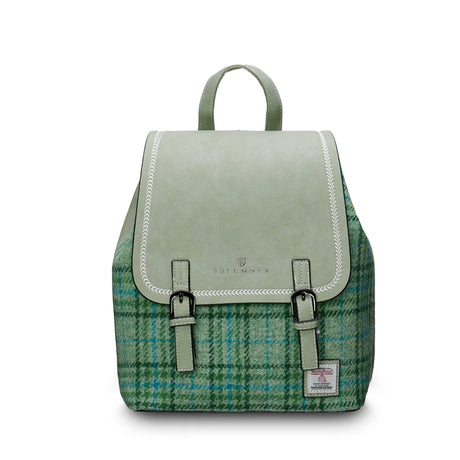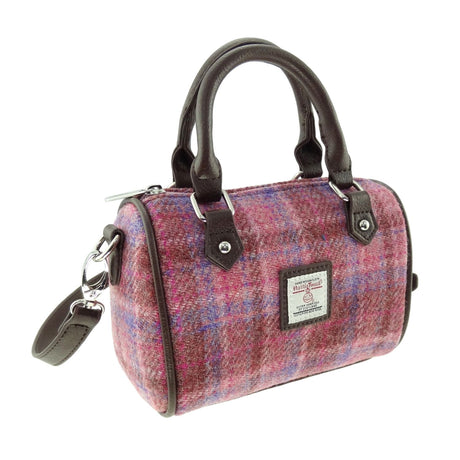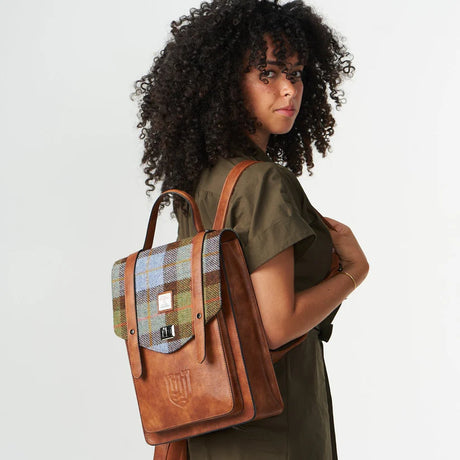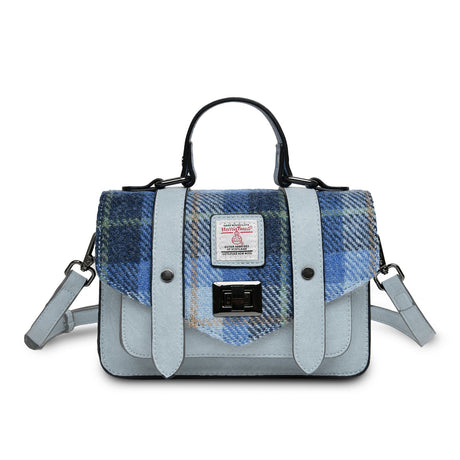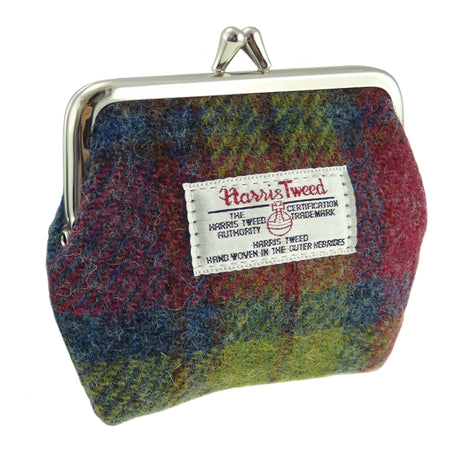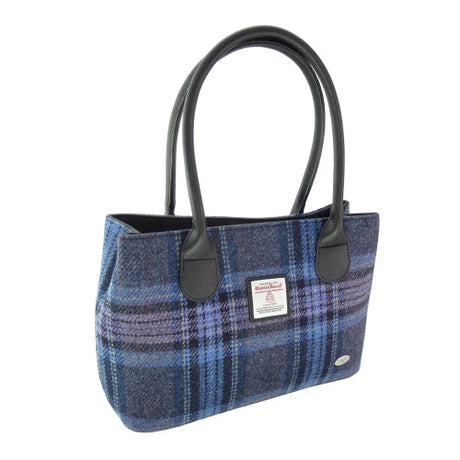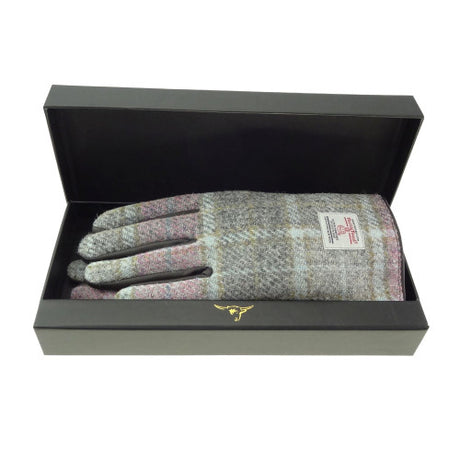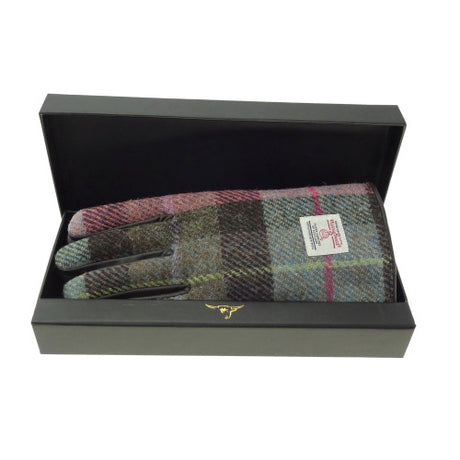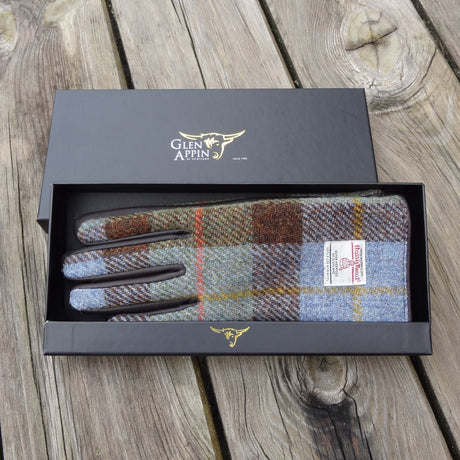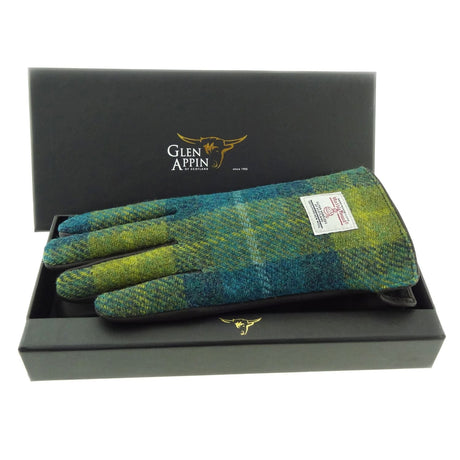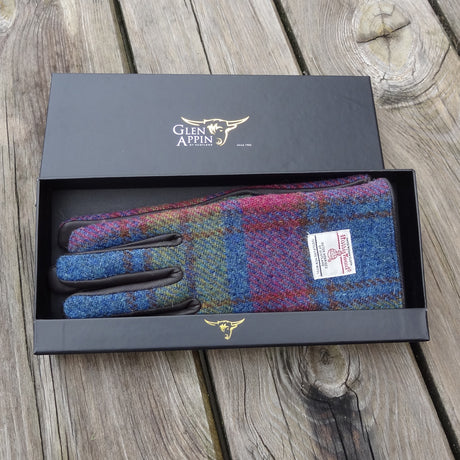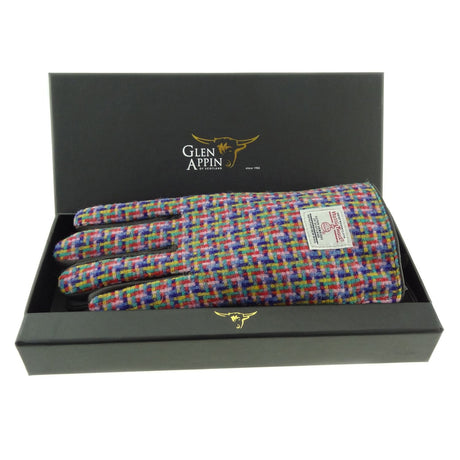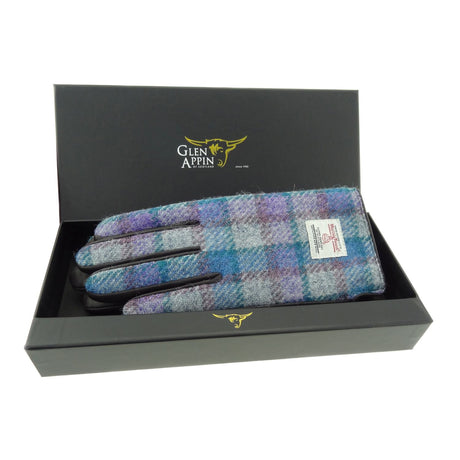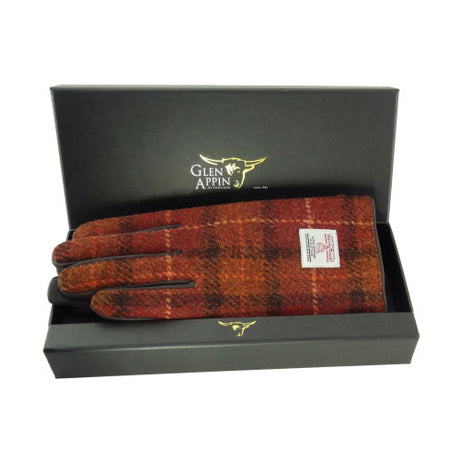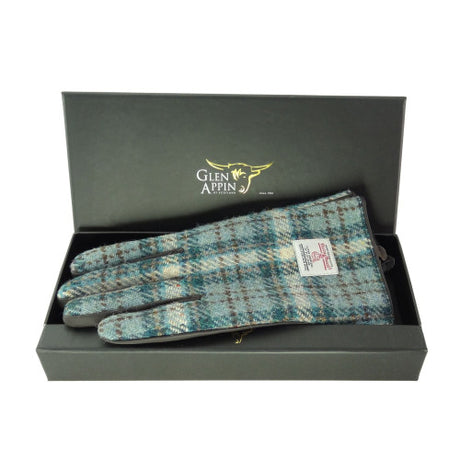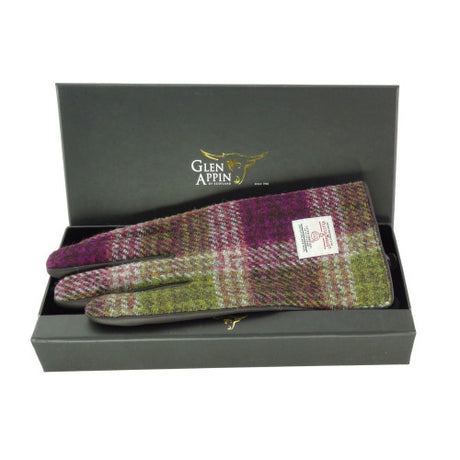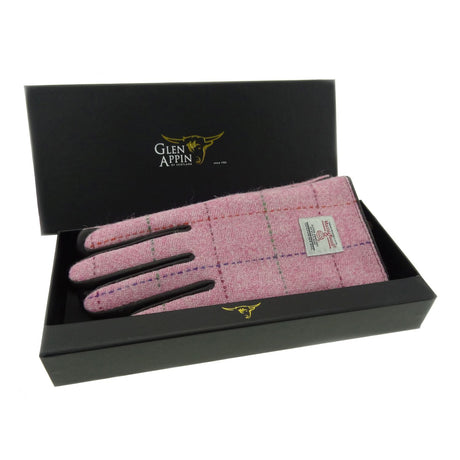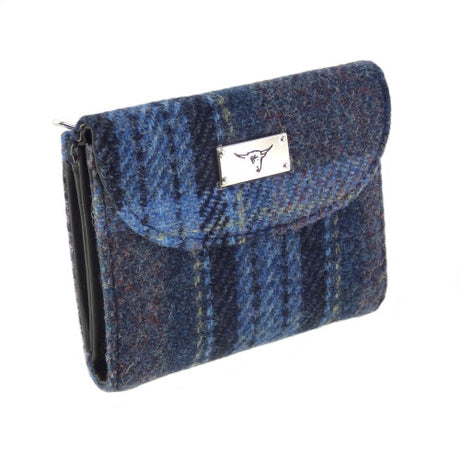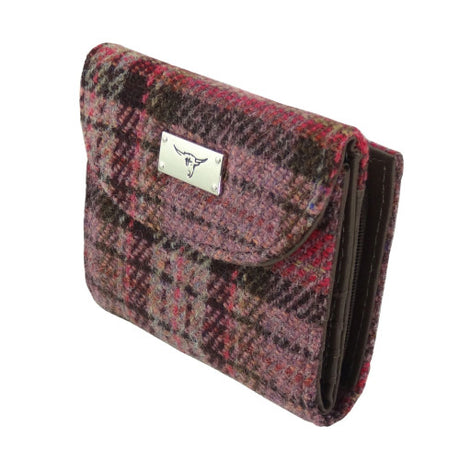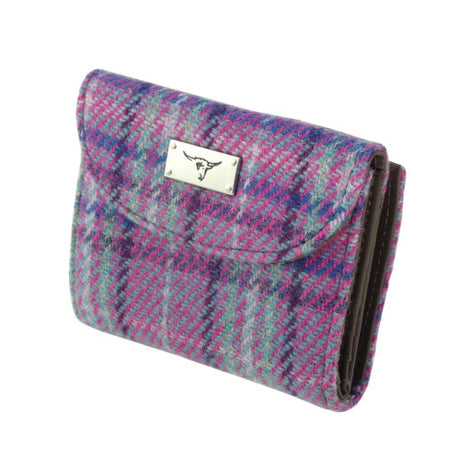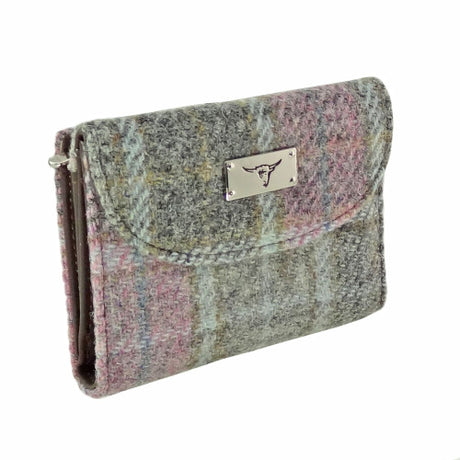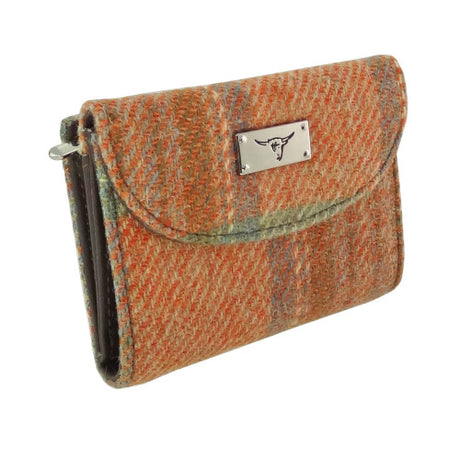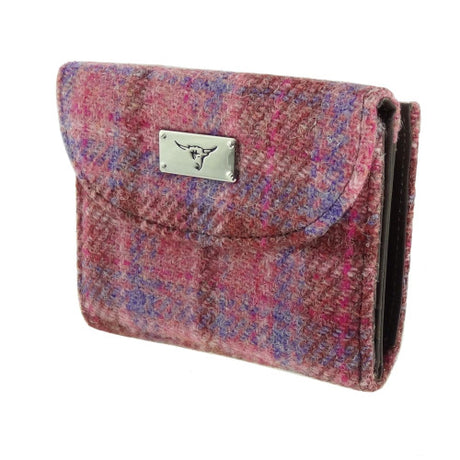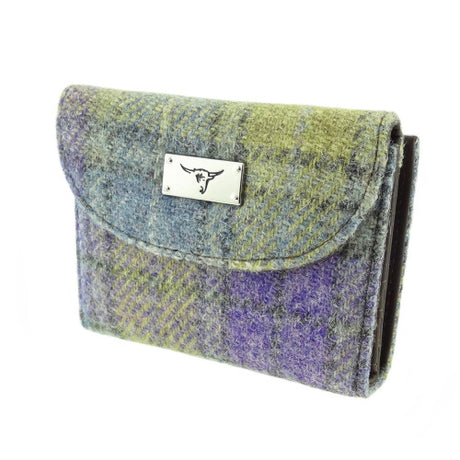

If you have ever picked up a Glen Appin of Scotland bag or an Islander accessory, you already know the immediate sensory experience of Harris Tweed. There is a distinct, earthy weight to the fabric. You can see the complex interplay of colors in the yarn, reflecting the heather, moss, and seascapes of the Hebridean landscape.
But if you look closely at any genuine piece of Harris Tweed, you will notice a specific detail sewn into the lining or proudly displayed on the exterior: a woven label featuring a globe topped with a Maltese cross.
This is the Orb Mark. And it is much more than a brand logo—it is one of the oldest, most fiercely protected symbols of heritage craftsmanship in the world.
The Threat to the Weavers
To understand the Orb, you have to go back to the dawn of the 20th century. For generations, the inhabitants of the Outer Hebrides—specifically the islands of Lewis, Harris, Uist, and Barra—had been weaving a heavy, water-resistant cloth by hand to protect themselves from the brutal Atlantic winters.
By the late 1800s, this incredibly durable fabric had caught the attention of the British aristocracy, who adopted it as the ultimate outdoor sporting wear. Almost overnight, "Harris Tweed" became highly sought after.
But success brought imitation. As demand surged, massive, mechanized textile mills on the British mainland began churning out inferior, machine-made fabrics and passing them off under the "Harris Tweed" name. The islanders, who wove the cloth by hand on pedal looms in their own homes on crofts, were suddenly facing a threat to their livelihood. Their generations-old craft was being diluted by mass production.

Forging the Orb
The islanders realized they needed a way to protect their name and prove the authenticity of their work. In 1909, they banded together to form the Harris Tweed Association. Their first order of business was to create a symbol that would serve as an absolute guarantee of origin.
They designed the Orb—a globe surmounted by a Maltese cross. In 1910, it was officially granted trademark status, and in 1911, the very first length of tweed was inspected and stamped with the mark. Today, it stands as the oldest continuous certification mark in the United Kingdom.
A Legal Promise
When you see the Orb Mark on a product in our shop, it isn't just a marketing claim. It is a legal promise, guarded today by an actual act of Parliament (the Harris Tweed Act of 1993).
For a fabric to legally bear the Orb Mark, it must meet an incredibly strict set of criteria: it must be made from pure virgin wool; it must be dyed, spun, and finished in the Outer Hebrides; and it must be handwoven by the islanders at their own homes. No automated looms. No mainland manufacturing. No shortcuts.
Every length of finished cloth is examined by an independent Harris Tweed Authority inspector. Only if it passes is the Orb ironed onto the cloth itself.

Carrying the History
When we curate pieces for Real Irish, we are always looking for items that carry a true story. That is why we are so proud to feature our Celtic cousins at Glen Appin of Scotland and their Islander collections. While our roots are firmly planted in Ireland, we share a deep kinship with the Scottish islanders—a mutual respect for traditional, intergenerational craft and the rugged landscapes that shape it. They don't just use fabrics that look like tweed; they use the real thing.
When you carry a bag or wear a cap bearing the Orb Mark, you aren't just wearing a beautiful piece of Scottish design. You are carrying a piece of living history. You are supporting a weaver working a pedal-powered loom in a Hebridean croft, just as their ancestors did over a century ago.

In an era of fast fashion and fleeting trends, there is something deeply comforting about a craft that refuses to be rushed or replicated. The Orb is a reminder that some things are still made the right way, in the right place.